War of the corsets – fighting to shape femininity at the turn of the last Century
On view March 13–January 10, 2027
The debate entailed more than just how the garment shaped the body and restricted its movement. It became a catalyst for a larger discussion about gender, class, and identity. With the corset at its center, different ideas were tested against each other – ideas about what it meant to be a woman and what women's role should be in the democratic society that was slowly taking shape.
Obsolete and modern
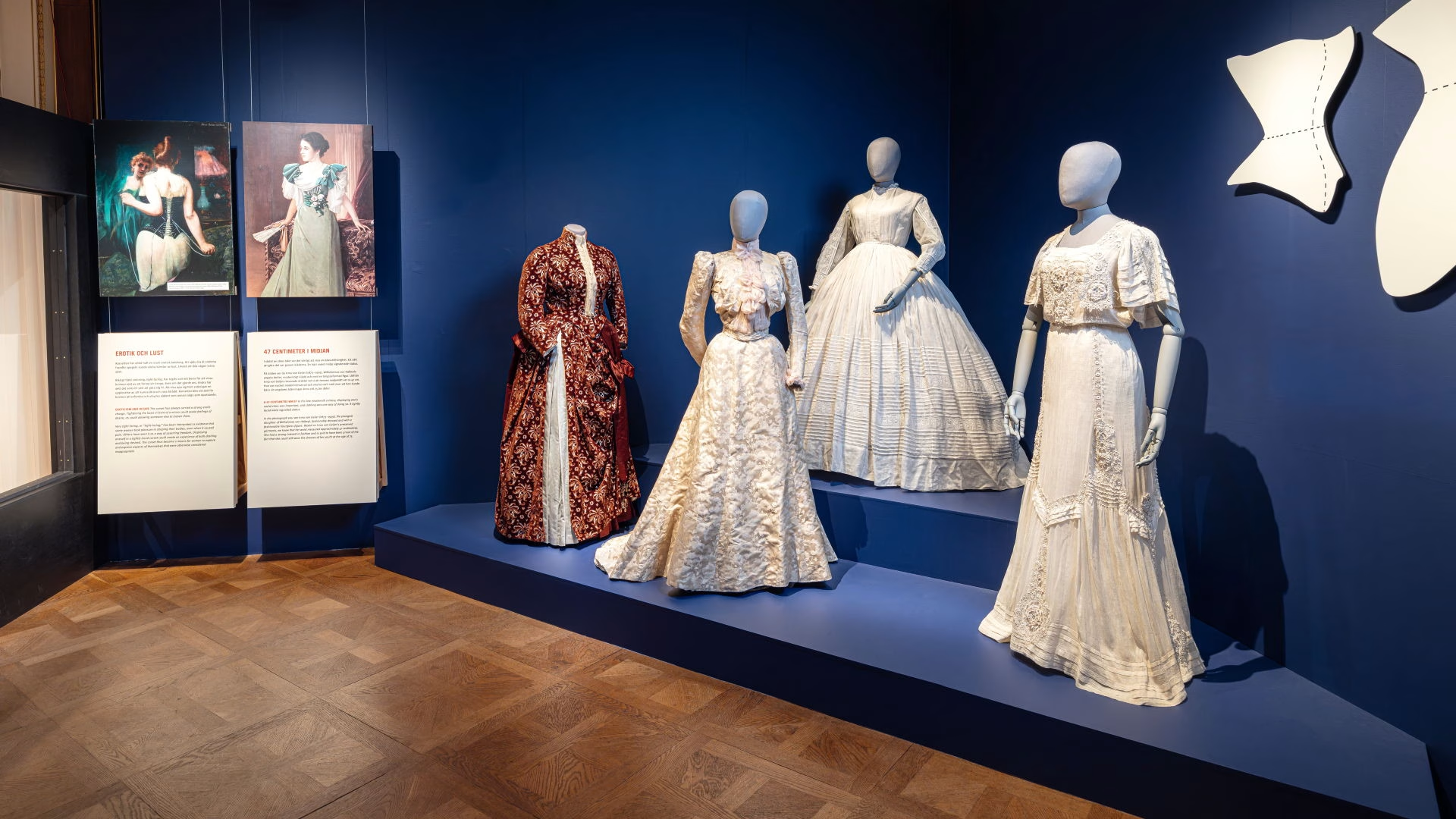
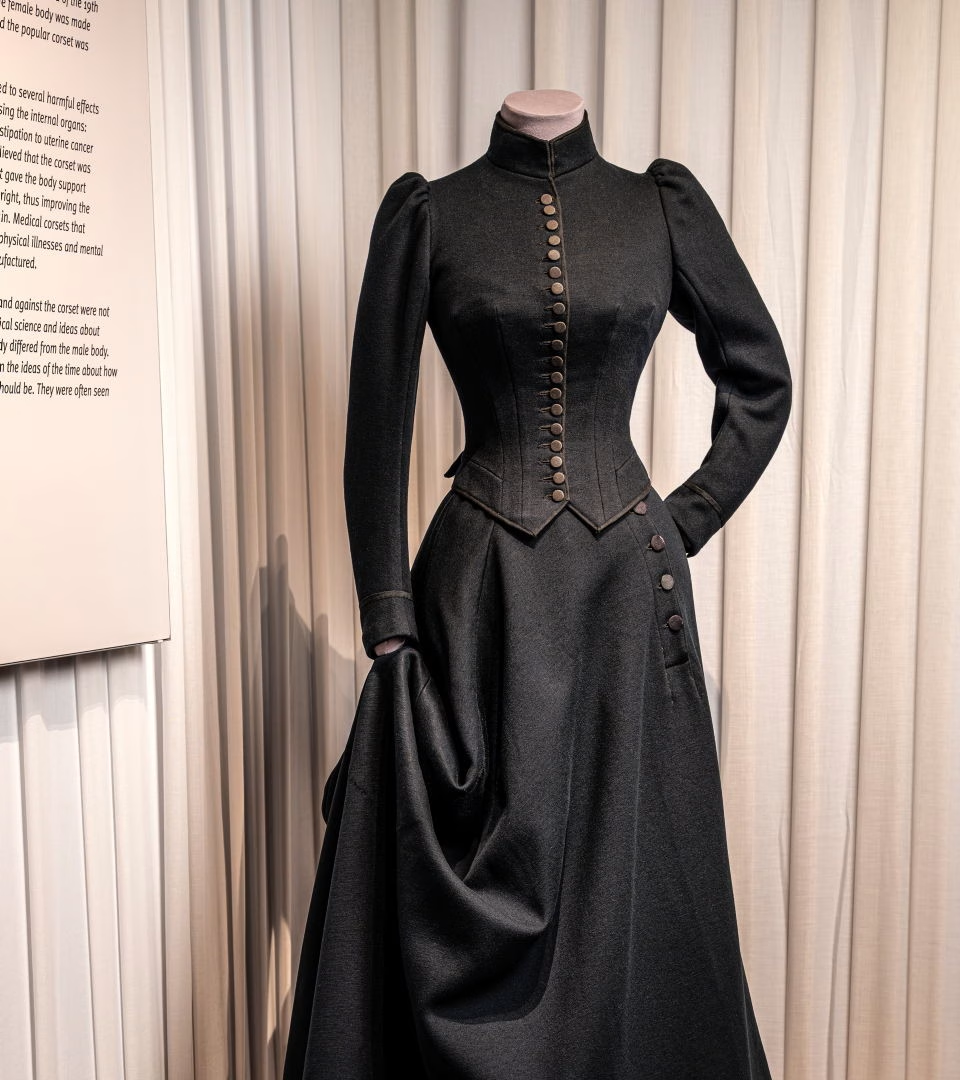
During the 19th century, conditions for women in Sweden changed significantly. New legislation gave them the opportunity to study at university, the right to decide on their finances and more professions to choose from. It is easy to believe that the days of the corset were numbered. The lacing limited women's mobility and strength, and thus also their opportunities to work and engage in social life. Instead, the corset became more popular than ever. With industrial production, garments could be manufactured on a larger scale, using new materials and at a lower price. The corset became available to more and more people, and women from the lower social classes could afford to buy it.
In newspaper advertisements, the corset was marketed as a garment for educated, sophisticated and graceful women. Instead of representing something outdated, it was seen as modern.
Fashion slavery and women's struggle
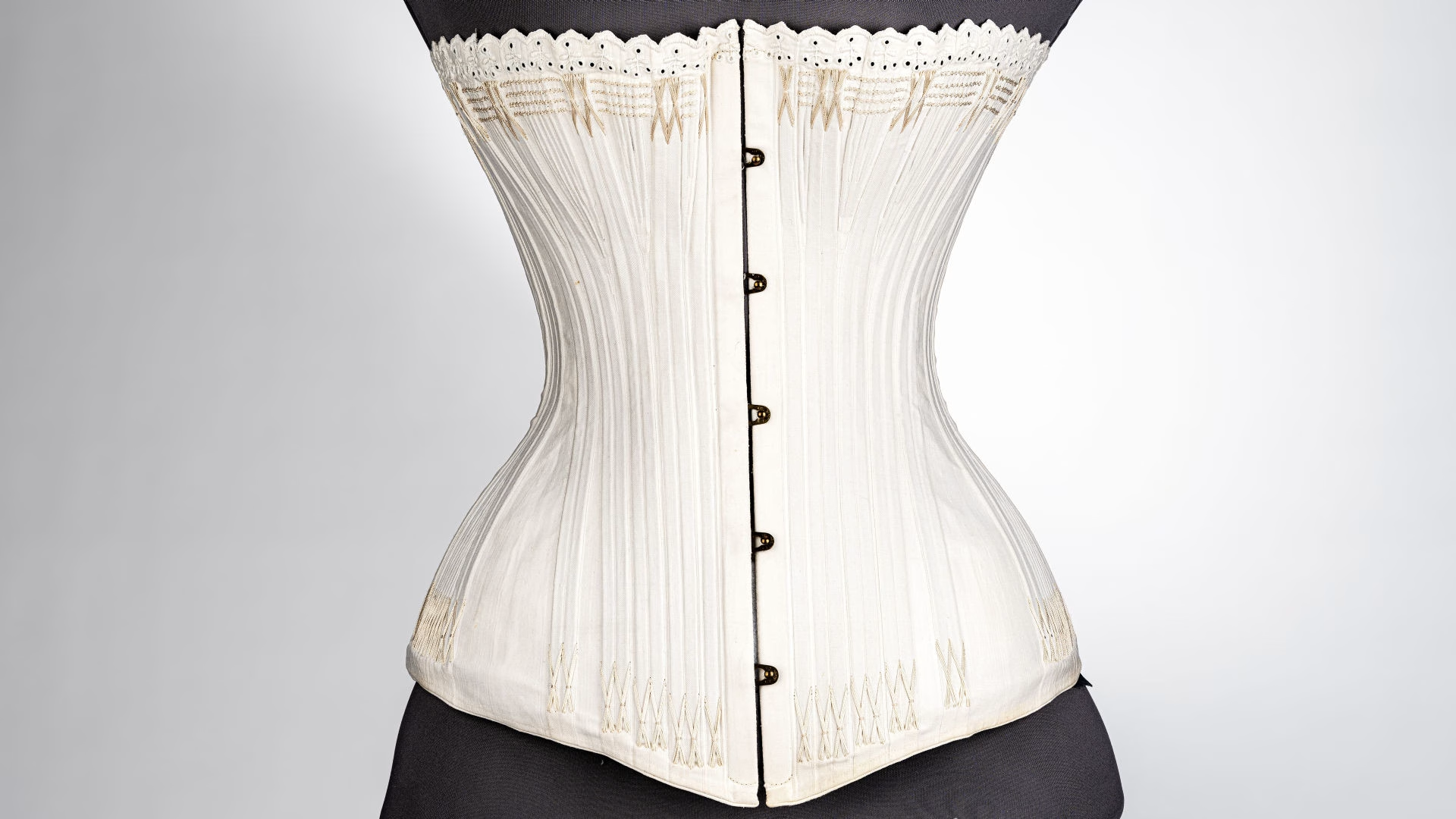
Opponents of the corset spoke of a “fashion slavery”. Fashion was a shackle that held women captive and prevented them from taking their place in society. French fashion designers in particular were seen as the enemy. It was from the continent that the ideals of deep necklines and tightly laced waists came.
About the exhibition
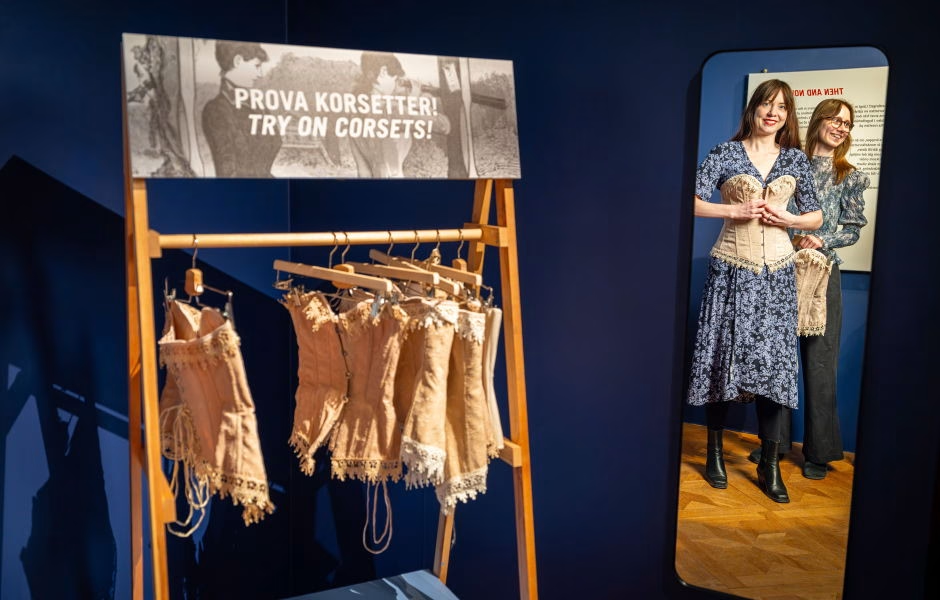
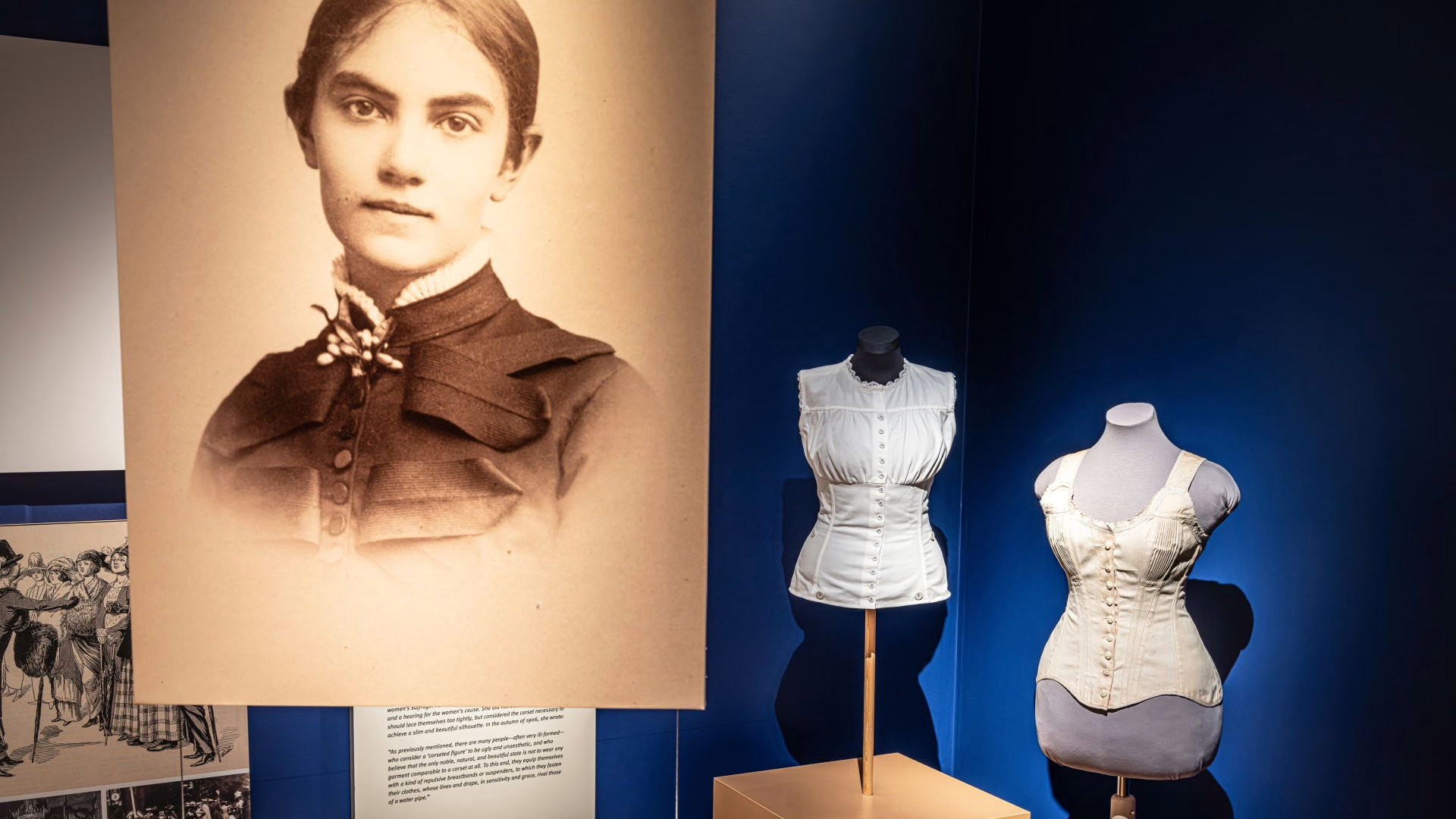
The exhibition War of the Corsets – fighting to shape femininity at the turn of the last Century has been produced by the Women's History Museum in Umeå. The exhibition has been developed in close collaboration with Henric Bagerius, historian at Örebro University. To create a visually rich exhibition, it has now been supplemented with costumes and corsets from the collections of the Hallwyl Museum. Visitors will also see costumes from Carl Larssongården designed by Karin Larsson. The Hallwyl Museum has also borrowed a pair of corsets and a reform costume from Skansen's cloakroom. The Hallwyl Museum also exhibits newly made corsets and costumes, that have not previously been shown, by the Norwegian designer Ove Harder Finseth.
Visit the Exhibition
The exhibition is on display from March 13th, to January 10th, 2027. The exhibition can be viewed independently during the museum's opening hours. Tickets are purchased on-site at the museum entrance.
Price and tickets
The exhibition is included in the museum admission ticket:
- Adult: 150 SEK (also applies to seniors and students)
- Children and young people up to 18 years: Free entry
Good to Know Before Your Visit
- Accessibility: To visit Building dreams, you need to go up stairs. There is no elevator in the museum.
- Wardrobe: Backpacks and outerwear is not allowed to bring in to the museum. Instead, backpacks and outerwear can be locked away for safekeeping in lockers that are adjacent to the entrance of the museum.
- Packed meal: Food and drink are not allowed in the museum. Hallwyl Restaurant is located in the courtyard of the museum and serves food.
- Strollers and prams: For evacuation reasons, it is not possible to bring a stroller/pram with you around the museum, however there are a few places for leaving strollers. The nearest place to lock prams is on Norrmalmstorg.
Accessibility
The Hallwyl Museum has five floors, but unfortunately no elevator. The only way to move around the museum is via stairs. The number of steps varies depending on where in the house you wish to go. If you choose to join a guided tour of the house, it involves climbing and descending at least 103 steps.